RECA ONLINE

It's a bd online English language learning site where you can learn about grammar along with other rules to learn English easily both for writing and speaking.

Showing posts with label online. Show all posts

Wednesday, May 22, 2024

CHANGING VOICE IN ENGLISH GRAMMAR

Definition: যদি verb এর কোন রুপ বা form এর মাধ্যমে subject এর নিষ্ক্রিয় বা সক্রিয় অবস্থা নির্দেশ করা হয়, তবে তাকে voice বা বাচ্য বলে।

Voice বা বাচ্য সাধারণত দুই প্রকার। যথাঃ

1. Active Voice: যদি কোন voice বা বাচ্য দ্বারা এমন কিছু নির্দেশ করা হয় যে subject নিজে কাজ করেছে কিনা, তবে তাকে active voice বলে। অর্থাৎ এ ধরনের বাক্যে subject কে প্রধান্য দেয়া হয়। 

যেমন, Ratul does the work. (এখানে Ratul কাজটি করছে। তাই Ratul হচ্ছে এই বাক্যের Subject)


2. Passive Voice: যদি কোন voice বা বাচ্য দ্বারা এমন কিছু নির্দেশ করা হয় যে subject কে প্রাধান্য না দিয়ে subject এর কাজকে অর্থাৎ object কে প্রাধান্য দেয়া হয়, তবে তাকে passive voice বলে।

যেমন, The work is done by Ratul. (এখানে Ratul এর মাধ্যমে কাজটি সম্পাদিত হলেও Ratul কে প্রাধান্য না দিয়ে Ratul এর কাজকে বা object কে প্রাধান্য দেয়া হয়েছে।)


Changing Subjective Case into Objective Case by RECA ONLINE
Changing Subjective Case into Objective Case in Voice

Transformation of Active Voice into Passive Voice: Sentence বা বাক্যভেদে Voice Changing এ ভিন্নতা থাকলেও এর একটি Universal Structure আছে। Structure টি হলোঃ

Active Voice: Subject + Verb + Object 
Passive Voice: Object + Auxiliary Verb + Verb (Past Participle Form) + by + Subject

Universal Structure of Changing Voice by RECA ONLINE
Universal Structure of Changing Voice

Changing Voice of Assertive Sentence:


#Rule 01: Indefinite/Simple Tense: Active Voice to Passive Voice
(a) Present Tense: 
Active: Subject + verb (present form) + object
Passive: Object + am/is/are + verb (participle form) + by + subject
Example:
Active: Ratul does the work.
Passive: The work is done by Ratul.
(b) Past Tense:
Active: Subject + verb (past form) + object
Passive: Object + was/were + verb (participle form) + by + subject
Example: 
Active: Ratul did the work.
Passive: The work was done by Ratul.
(c) Future Tense:
Active: Subject + shall/will + verb (present form) + object
Passive: Object + shall be/will be + verb (participle form) + by + subject
Example: 
Active: Ratul will do the work.
Passive: The work will be done by Ratul.

#Rule 02: Continuous Tense: Active Voice to Passive Voice

(a) Present Tense: 
Active: Subject + am/is/are + verb (ing) + object
Passive: Object + am/is/are + being + verb (participle form) + by + subject
Example:
Active: Ratul is doing the work.
Passive: The work is being done by Ratul.

(b) Past Tense:
Active: Subject + was/were + verb (ing) + object
Passive: Object + was/were + being + verb (participle form) + by + subject
Example: 
Active: Ratul was doing the work.
Passive: The work was being done by Ratul.
(c) Future Tense:
Active: Subject + shall be/will be + verb (ing) + object
Passive: Object + shall be/will be + being + verb (participle form) + by + subject
Example: 
Active: Ratul will be doing the work.
Passive: The work will be being done by Ratul. 
 
#Rule 03: Perfect Tense: Active Voice to Passive Voice

(a) Present Tense: 
Active: Subject + have/has + verb (participle form) + object
Passive: Object + have been/has been + verb (participle form) + by + subject
Example:
Active: Ratul has done the work.
Passive: The work has been done by Ratul.
(b) Past Tense:
Active: Subject + had + verb (participle form) + object
Passive: Object + had been + verb (participle form) + by + subject
Example: 
Active: Ratul had done the work.
Passive: The work had been done by Ratul.
(c) Future Tense:
Active: Subject + shall have/will have + verb (participle form) + object
Passive: Object + shall have/will have + been + verb (participle form) + by + subject
Example: 
Active: Ratul will have done the work. 
Passive: The work will have been done by Ratul. 

#Rule 04: Perfect Continuous Tense: Active Voice to Passive Voice

(a) Present Tense: 
Active: Subject + have been/has been + verb (ing) + object
Passive: Object + have been/has been + being + verb (participle form) + by + subject
Example:
Active: Ratul has been doing the work.
Passive: The work has been being done by Ratul.
(b) Past Tense:
Active: Subject + had been + verb (ing) + object
Passive: Object + had been + being + verb (participle form) + by + subject
Example: 
Active: Ratul had been doing the work.
Passive: The work had been being done by Ratul.
(c) Future Tense:
Active: Subject + shall have/will have + being + verb (ing) + objec
Passive: Object + shall have been/will have been + being + verb (participle form) + by + subject
Example: 
Active: Ratul will have been doing the work.  
Passive: The work will have been being done by Ratul.
[ বিশেষ দ্রষ্টব্যঃ যদি বাক্য Negative হয়, তবে Passive Voice করার সময় Auxiliary Verb এর পর শুধু Not দিতে হবে।]

Changing Voice of Interrogative Sentences:


এই ধরনের Sentence গুলোও Tense অনুযায়ী করতে হবে। তাই নিম্নে শুধুমাত্র এর Basic Structure বা মৌলিক গঠন দেয়া হলো।

#Rule 01: Auxiliaries (Active Voice to Passive Voice)

Active: Auxiliary verb + subject + main verb + object + complement (যদি থাকে) + interrogation Mark (?) 
Passive: Auxiliary verb + object + main verb (participle form) + by + subject + complement (যদি থাকে) + interrogation Mark (?)  

Example: 
Active: Is Ratul doing the work?  
Passive: Is the work being done by Ratul? 

#Rule 02: W/h Words (Active Voice to Passive Voice)

Active: W/h words + auxiliary verb + subject + main verb + object + complement (যদি থাকে) + interrogation Mark (?) 
Passive: W/h words + auxiliary verb + object + main verb (participle form) + by + subject + complement (যদি থাকে) + interrogation Mark (?)  

Example:
Active: What is Ratul doing since morning? 
Passive: What is being done by Ratul since morning? 

[এখানে W/h words বলতে বুঝায় Who, When, Where, What, Which, How etc.]

বিশেষ দ্রষ্টব্য ০১ঃ যদি বাক্যে Who থাকে তবে by Whom লিখতে হবে। আর যদি whom থাকে তবে who লিখতে হবে।

বিশেষ দ্রষ্টব্য ০২ঃ যদি বাক্যটি negative হয়, তবে passive voice করার সময় auxiliary verb এর পর শুধু not দিতে হবে।


Changing Voice of Imperative Sentence:


এই ধরনের বাক্য দ্বারা order (আদেশ), request (অনুরোধ), forbid (নিষেধ), advice (উপদেশ) বোঝানো হয়। আর এই ধরনের বাক্যগুলো সাধারণত verb দ্বারা শুরু হয়।

#Rule 01: Structure of passive voice: order, request, forbid, advice

Affirmative: Let + object + be + verb(participle form) + by you.

Example:
Active: Do the work right now. 
Passive: Let the work be done by you right now.    

Negative: Let not + object + be + verb(participle form) + by you.

Example:
Active: Do not waste waste the time especially at the time of your examination. 
Passive: Let not the time be wasted by you especially at the time of your examination.

[বিশেষ দ্রষ্টব্যঃ Let's বা Let us থাকলে passive voice করার সময় by you না হয়ে by us হবে।]

Example:
Active: Let's play the football. 
Passive: Let the football be played by us .


Changing Voice of Modal Auxiliaries:


Modal auxiliaries গুলো হচ্ছে can, could, may, might, shall, should, will, would, must, ought to, have to, has to, had to, am to, is to, was to, were to, need to, are to etc.

#Rule 01: Structure (Active Voice to Passive Voice)

Active: subject + modal auxiliaries + verb (present form) + object + complement (যদি থাকে). 
Passive: Object + modal auxiliaries + be + verb (participle form) + by + subject + complement (যদি থাকে).  

Example: 
Active: Ratul can do the work in time.  
Passive: The work can be done by Ratul in time.


 Changing Voice of Reflexive Pronoun: 


Reflexive Pronoun গুলো হচ্ছে himself, herself, itself, themselves, ourselves, yourself etc.

#Rule 01: Structure (Active Voice to Passive Voice)

Active: Subject + verb + reflexive pronoun. 
Passive:  Subject + auxiliary verb + verb (participle form) + by + reflexive pronoun.

Example: 
Active: He hurt himself.  
Passive: He is hurt by himself.


Changing of Quasi-Passive Voice:


#Rule 01: যখন বাক্যে complement থাকে, তখন passive voice করার সময় নিচের structure অনুসরণ করতে হবেঃ

Active: Subject + verb + complement. 
Passive:  Subject + auxiliary verb + complement + when/if + it/they + auxiliary verb + verb (participle form)  

Example:
Active: This flower smells sweet.  
Passive: The flower is sweet when it is smelt.

#Rule 02: যখন বাক্যে complement থাকে না, তখন passive voice করার সময় নিচের structure অনুসরণ করতে হবেঃ

Active: Subject + auxiliary verb + verb (ing). 
Passive:  Subject + auxiliary verb + being + verb (participle form) 

Example:
Active: The house is building.   
Passive: The house is being built.


Changing Voice of Infinitives: 


#Rule 01: যদি কোন active বাক্যে adjective + to + verb থাকে, তাহলে তার passive voice করার সময় adjective + to + verb এর কোন পরিবর্তন হবে না।

Example:
Active: I found it easy to do.   
Passive: It is found easy to do by me.

#Rule 02: যদি কোন active বাক্যে to + verb থাকে, তাহলে তার passive voice করার সময় to + be + verb (participle form) হবে।

Example:
Active: The judge ordered to punish the criminal.    
Passive: The criminal was ordered to be punished by the judge.


Changing Voice of Complex Sentences: 


#Rule 01: Complex sentence এ একটি clause থাকে যা subject বা object হিসেবে ব্যবহৃত হয়। সুতরাং, active এর object যদি একটি clause হয় তাহলে passive voice এর subject হিসেবে ঐ clause টি ব্যবহৃত হয়। কিংবা active এর subject কোন clause হলে passive voice এর ক্ষেত্রে তা object হিসেবে ব্যবহৃত হয়। এক্ষেত্রে clause এর মধ্যকার verb এর কোন পরিবর্তন হবে না। 

Example:
Active: I know what he thinks   
Passive: What he thinks is known to me. 
Active: He showed me what he had made    
Passive: What he had made was shown me by him.


Changing Voice of Verbs with double objects:


#Rule 01: কোন কোন verb এর indirect ও direct, এই দুইটি object থাকে। আর এই দ্বিতীয় object কে Retained Object বলা হয়। আর এই ধরনের sentences বা বাক্যগুলোও passive voice এর সাধারণ নিয়ম অনুযায়ী পরিবর্তন করতে হবে।

Example:
Active: Ratul sir teaches us English.   
Passive: We are taught English by Ratul sir. or English is taught us by Ratul sir.  

[বিশেষ দ্রষ্টব্যঃ এখানে প্রথম object দিয়ে  passive voice করা হলে দ্বিতীয় object অপরিবর্তনীয় থাকে।]


Changing Voice of Intransitive Verbs used Transitively:


#Rule 01: এই ধরনের verb যুক্ত sentences বা বাক্যগুলোর passive voice করতে হলে তোমাকে অবশ্যই Intransitive verbs ও Transitive verbs সম্পর্কে ভালো ধারণা থাকতে হবে। তবুও নিম্নে কিছু examples বা উদাহরণের মাধ্যমে একটা সাধারণ ধারণা দেয়া হলো।

Example:
Active: She ran a race.    
Passive: A race was run by her.
Active: I shall sing a song.     
Passive: A song will be sung by me.
Active: He slept a sound sleep.     
Passive: A sound sleep was slept by him.
Active: We look at the picture.    
Passive: The picture is looked at by us. 

-0-

[Practice more and more to good at English]

Thursday, February 2, 2023

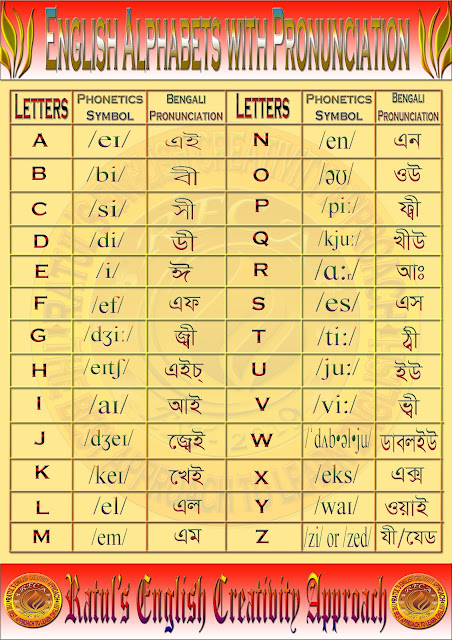
INTRODUCING ENGLISH ALPHABETS WITH PRONUNCIATIONS (ইংরেজি বর্ণমালার পরিচিতি ও উচ্চারণ)

বর্তমান পৃথিবীতে প্রায় সাড়ে চার হাজারেরও বেশী ভাষা রয়েছে যা মানুষ প্রতিনিয়ত তার মনের ভাব প্রকাশ করার জন্য ব্যবহার করছে। আর এই বর্তমান পৃথিবী হচ্ছে একটি বিশ্বায়নের যুগ যা GLOBAL VILLAGE নামেও পরিচিত যেখানে মানুষ তার প্রয়োজনের তাগিদেই বিভিন্ন দেশের মানুষের সাথে কথা বলছে বা যোগাযোগ করছে। আর এই যোগাযোগের মাধ্যম হিসেবে মানুষ যে ভাষাটাকে বেশি প্রাধান্য দেয় তা হচ্ছে ENGLISH LANGUAGE বা ইংরেজি ভাষা। পৃথিবীর প্রায় অর্ধেকেরও বেশি মানুষ ইংরেজি ভাষাটাকে নিয়মিত ব্যবহার করছে। অতএব, আমাদেরকেও এই আধুনেক বিশ্বে টিকে থাকতে হলে ইংরেজি ভাষা শেখার কোন বিকল্প নেই। আর এই ইংরেজি ভাষা শিখতে হলে আমাদের অবশ্যই ইংরেজি বর্ণমালা বা ENGLISH ALPHABETS গুলো ভালোভাবে জানতে হবে এবং এর পাশাপাশি সুন্দর ও সাবলীলভাবে কথা বলার জন্য সঠিক উচ্চারণ জানাও খুবই জরুরি। আর তাই আজকে আমরা এই বিষয় নিয়েই আলোচনা করবো।

ইংরেজি বর্ণমালা বা ALPHABETS হলো মোট ২৬ টি কিন্ত উচ্চারণের জন্য এর SOUND বা ধ্বনি হলো মোট ৪৪ টি। আর এই ৪৪ টা SOUND এর মধ্যে ২০ টি হলো VOWEL SOUND বা স্বরধ্বনি এবং বাকি ২৪ টা হলো CONSONANT SOUND বা ব্যঞ্জনধ্বনি। আবার ২০ টা VOWEL SOUND কে দুই ভাগে ভাগ করা হয়েছে, যার একটি হলো Monopthongs (১২ টি sound) ও দ্বিতীয়টি হলো Dipthongs (৮ টি sound)। ১২ টি Monopthongs এর ভিতর আবার দুইটা ভাগ রয়েছে যার একটি হলো Short Vowel (৭) ও দ্বিতীয়টি হলো Long Vowel (৫)। আর ২৪ টি হলো CONSONANT SOUND কে মোট তিন ভাগে ভাগ করা হয়েছে যথাক্রমে Voiced Sound (৮ টি), Voiceless Sound (৮ টি) ও Others বা অন্যান্য (৮ টি)।

(Remember: English is not phonetically written language)


reca online english alphabets with sound
English Alphabets with Sounds


CLASSIFICATIONS OF VOWEL SOUNDS (20) WITH EXAMPLES:

Monopthongs (Short Sound-7):
  1. /ɪ/ (ই) -  fit /fiːt/, pick /piːk/, difficult /ˈdɪ.fɪ.kəlt/
  2. /e/ (এ) - pet /pet/, sent /sent/, attention /əˈten.ʃən/
  3. /æ/ (এ্যা) - pat /pæt/, flat /flæt/, family /ˈfæ.mə.li/
  4. /ʌ/ (আ) - cut /kʌt/ jump /dʒʌmp/, cover /ˈkʌ.vər/
  5. /ʊ/ (উ) - put /pʊt/, book /bʊk/, cushion /ˈkʊ.ʃən/
  6. /ɒ/ (অ) - pot /pɒt/, dog /dɒg/, hospital /ˈhɒs.pɪ.təl/
  7. /ə/ (SCHWA-আ) - about /əˈbaʊt/, system /ˈsɪs.təm/, complete /kəmˈpliːt/
Monopthongs (Long Sound-5):
  1. /i:/ (ঈ) week /wi:k/, feet /fi:t/, media /ˈmiː.di.jə/
  2. /ɑ:/ (আঃ) - hard /ha:/, park /pa:k/, article /ɑː.tɪ.kəl/
  3. /ɔ:/ (ওঃ) - fork /fɔ:k/, walk /wɔ:k/, August /ɔːˈɡʌst/
  4. /ɜ:/ (আঃ) - heard /hɜ:d/, word /wɜ:d/, surface /ˈsɜː.fɪs/
  5. /u:/ (ঊ) - boot /bu:t/, group /gru:p/, beautiful /ˈbjuː.tɪ.fəl/
Discussing Dipthongs (Double Vowels):
  1. /eɪ/ (এই) - place /pleɪs/, late /leɪt/, dangerous /ˈdeɪn.dʒə.rəs/
  2. /oʊ/ (ওউ) - home /hoʊm/, phone /foʊn/, global /ˈɡloʊ.bəl/
  3. /aʊ/ (আউ) - mouse /maʊs/, brown /braʊn/, accountant /əˈkaʊn.t̬ənt/
  4. /ɪə/ (ইআ) - clear /klɪə/, fear /fɪə/, career /kəˈrɪə/
  5. /eə/ (এ্যাআ) - care /keə/, wear /weə/, declare /dɪˈkleə/
  6. /ɔɪ/ (ওই) - boy /bɔɪ/, toy /tɔɪ/, enjoyable /ɪnˈdʒɔɪ.jə.bəl/
  7. /aɪ/ (আই) - find /faɪnd/, bite /baɪt/, tiger /ˈtaɪ.ɡə/
  8. /ʊə/ (উআ) - tour /tʊə/, pure /pʊə/, mature /məˈtʃʊə/

CLASSIFICATIONS OF CONSONANT SOUNDS (24) WITH EXAMPLES:

Voiceless or Unvoiced Consonant Sounds: এই ধরণের ধ্বনি উচ্চারণের ক্ষেত্রে মুখগহব্বর থেকে কোন ধরনের কম্পন,প্রতিধ্বনি বা শব্দের সৃষ্টি হয় না।
  1. /p/ (ফ্) - pet /pet/, paper /ˈpeɪ.pə/, top /tɒp/
  2. /t/ (ঠ্) - Tim /tɪm/, better /ˈbe.tə/, hot /hɒt/
  3. /ʧ/ (চ্) - choke /ʧoʊk/, watching /wɒ.tʃɪŋ/, catch /kætʃ/
  4. /k/ (খ্) - came /keɪm/, talking /ˈtɔː.kɪŋ/, back /bæk/
  5. /ʃ/ (শ্) - show /ʃoʊ/, pushing /ˈpʊ.ʃɪŋ/, rush /rʌʃ/
  6. /θ/ (থ্) - thin /θɪn/, method /ˈme.θəd/, both /boʊθ/
  7. /s/ (স্) - seal /si:l/, missing /ˈmɪ.sɪŋ/, face /feɪs/
  8. /f/ (ফ) - fine /faɪn/, offer /ˈɒf.ə/, off /ɒf/
Voiced Consonant Sounds: এই ধরণের ধ্বনি উচ্চারণের ক্ষেত্রে মুখগহব্বর থেকে কোন ধরনের কম্পন,প্রতিধ্বনি বা শব্দের সৃষ্টি হয়।
  1. /b/ (ব্) - bet /bet/, trouble /ˈtrʌ.bəl/, rub /rʌb/
  2. /d/ (ড্) - dim /dɪm/, order /ˈɔː.də/, bad /bæd/
  3. /ʤ/ (জ্ব্) - joke /ʤoʊk/, damage /ˈdæ.mɪdʒ/, large /lɑːdʒ/
  4. /g/ (গ্) - game /geɪm/, bigger /ˈbɪ.gə/, bag /bæg/
  5. /v/ (ভ্) - vine /vaɪn/, saving /ˈseɪ.vɪŋ/, of /ɒv/
  6. /ð/ (দ্) - then /ðen/, other /ˈʌ.ðə/, with /wɪð/
  7. /z/ (য্) - zeal /zi:l/, crazy /ˈkreɪ.zi/, phase /feɪz/
  8. /ʒ/ (শা্+ঝ্) - measure /ˈme.ʒə/, vision /ˈvɪ.ʒən/, asia /ˈeɪ.ʒə/

কিছু কিছু Consonant Pair আছে যা উচ্চারণের ক্ষেত্রে দুইটা Sound উচ্চারিত হয়। যার একটি Sound হয় Voiced আর অন্যটি হয় Unvoiced। যেমন,
  1. /m/ (ম্) - mail /meɪl/, humour /ˈhjuː.mə/, some /sʌm/
  2. /n/ (ন্) - nail /neɪl/, funny /ˈfʌ.ni/, fine /faɪn/
  3. /ŋ/ (ইং, ঙ) - sing /sɪŋ/, singer /ˈsɪ.ŋə/
  4. /h/ (হ্) - heal /hi:l/, perhaps /pəˈhæps/
  5. /l/ (ল্) - love /lʌv/, follow /ˈfɒː.loʊ/, well /wel/
  6. /r/ (র্) - real /ri:l/, correct /kəˈrekt/
  7. /j/ (ই) - you /ju:/, beyond /biˈjɒnd/
  8. /w/ (ও) - we /wi/, showing /ˈʃoʊ.wɪŋ/

---0---

Tuesday, October 27, 2020

Basic Ideas of Verbs


recaonline.blogspot.com

Every language in the present world is to be consisted on the basis of Verb. That's why Verb is called the soul of the language. Verbs are usually used of kinds in sentences. Such as;

1. Principal Verb: This type of verb is used as the main verb or action of the sentence.

2. Auxiliary Verb: This type of verb is used as the secondary verb or action of the main verb of the sentence. There are different kinds of Auxiliary Verbs used in different kinds of sentences. Such as;

To do: Do/does/did

To be: Am/is/are/was/were

To have: Have/has/had

Modals: Shall/should/can/could/will/would/may/might/ought to/must etc.

Semi Modals: Need/dare

Do/Does:

As a Principal Verb: It means the action to do something at present. Such as;

I do this work.

As an Auxiliary Verb: It means no direct sense but it helps the main verb to make meaningful sentence (Negative & Interrogative sentences). Such as;

I do not do this work anymore.

Do you go to school?

Did:

As a Principal Verb: It means the action to do something in the past. Such as;

I did this work.

As an Auxiliary Verb: It means no direct sense but it helps the main verb to make meaningful sentence (Negative & Interrogative sentences). Such as;

I did not do this work anymore.

Did you go to school yesterday?

Am/Is/Are/:

As a Principal Verb: It means the action to be something/someone at present. Such as;

I am a student of RECA ONLINE.

As an Auxiliary Verb: It means no direct sense but used in Present Continuous Tense before main Verb (ing) and in Passive Voice. Such as;

I am going to school right now.

The work is done by me/The work is being done by me.

Was/Were:

As a Principal Verb: It means the action to be something/someone in the past. Such as;

I was a student of RECA ONLINE.

As an Auxiliary Verb: It means no direct sense but used in Past Continuous Tense before main Verb (ing) and in Passive Voice. Such as;

I was going to school right now.

The work was done by me/The work was being done by me.

Have/Has: 

As a Principal Verb: It means the action to have something/someone at present. Such as;

I have a car.

As an Auxiliary Verb: It means no direct sense but used in Present Perfect Tense before main Verb (Past Participle Form) and in Passive Voice. Such as;

I have become an English teacher of RECA ONLINE.

He has been made the chairman of the RECA Language Club.

Had: 

As a Principal Verb: It means the action to have something/someone in the past. Such as;

I had a car.

As an Auxiliary Verb: It means no direct sense but used in Past Perfect Tense before main Verb (Past Participle Form) and in Passive Voice. Such as;

I had become an English teacher of RECA ONLINE.

He had been made the chairman of the RECA Language Club.

Can/May:

Can: It is usually used to indicate the ability of something/someone. Such as;

I can do this work.

May: It is usually used to indicate the possibility of something/someone and the permission of someone. Such as;

I may do this work.

You may go now.

Shall/Will: It means the action to do in future. Such as;

I shall go to London for my higher study.

He will go for work.

Could/Might/Would: It indicates to do something imaginary. Such as;

I wish I could be there with you.

I might make this on time.

Should/Ought to: It indicates something worthy or reasonable or advisable to do. Such as;

You should help the poor.

We ought to help each other.

Used to: It indicates the habit of something/someone to do usually in the past. Such as,

I used to play football.

Sunday, October 25, 2020

A Journey by Bus or Train

A composition: A Journey You Have Made/A Journey by Bus/A Journey by Train


recaonline.blogspot.com
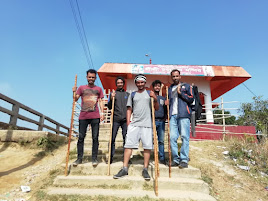
Sitakunda Tour - 2020

Journeys are always adventurous and dreamy to me. It gives me the real pleasure. It always gives me some opportunities to discover something new and unknown facts. It keeps my mind fresh and festive out of this modern busy life. So, whenever I get an opportunity to make a journey, my heart just fills up with joys. Fortunately, I got an opportunity to make a journey by bus/train from Dhaka to Chattagram in the last summer vacation with my friends.

On the day of 1st June in this year, I and some of my friends reached the station/bus stand at 6 am. We bought the tickets for Chattagram and then started waiting for our train/bus. The bus/train reached on time. So we got into the bus/train and our journey finally began. We became so excited that we started chilling and yelling. My psyche started leaping in excitement. All of my friends also started sharing their feelings with each other.

Luckily, I got seat by the window. The seats of the bus/train were very comfortable. Our train started moving slowly at the beginning. But after a while, it started moving fast. We I always kept my eyes on the nature through the window. I started noticing that the train was moving ahead but leaving other things outside behind. The nature was looking so mesmerizing. We all enjoyed the beauty of green fields, the rivers, the birds and countryside. I could not close eyes for a single moment. We brought some snacks with us to enjoy the moment more.

We reached our destination after a very long journey. We were kind of tired when we got down from the train/bus. So we decided to take some rest in our hotel room. After taking rest, we went to Sitakunda and got fascinated by the beauty of it. We got charmed with the beauty of hills and lush green surroundings. We ascended the famous hill called Chandranath Hill and visited the temple on top of it. We also visited the sea beach.

The journey was really enjoyable and pleasing to us. I enjoyed every part of it. This journey will be one of the most memorable journeys in my life forever.

A letter on How to develop or improve English


Question: You have a younger cousin called Mansur who is learning English. She wants to know about how to get better/develop/improve in English. Now, write a letter to your sister giving some hints on how to get better/develop/improve in English.

Answer:

Dhanbari, Tangail

25th October, 2020

Dear Mansur,

I hope that your quite well by the grace of Almighty. I have got your letter recently and got to know that you are learning English. In your letter, you've requested me to give some advices on how to improve English. Now, I am going to write about it.

If you want to have a good command in English, you need to learn grammar rules and enrich your vocabularies. Grammar will help you to write English correctly and vocabularies will help you to use the correct words. Then you have to practice regularly to be fluent. Remember, fluency only depends on your practice. Nowadays, fluency has become kind of mandatory to get a good job. You can also write English pages regularly to develop your writing skills. To develop your listening skills, you can listen to radio, TV, music and watch English movies etc. Last of all, you need to read English books, newspapers, magazines etc. which will make easier to learn English.

No more today. With the best regards to your parents and love to all.

Yours ever

Ratul

Saturday, October 24, 2020

A paragraph on How to be a Good Student


reca online: paragraph writings

A good student is an asset of a school. Everybody wants to be a good student but very few attain it. A student should have followed some instructions to become a good student. Firstly be should attend his classes regularly. This will help to know the daily lessons of the class. Then he should be punctual to his duties. Punctuality is the pre-condition to become a good student. Next he should prepare his lessons well. If he does not understand his lessons himself he should take help of others. Finally he should possess some qualities in him. Honesty, sincerity, cordiality, industrious, intelligence, dutiful etc. are some qualities. By following the above instructions a student can be a good student.

A letter on The Importance of Learning English


reca online

Question: Suppose, you have a friend called Ahsan Ali who is not much aware of learning English. Now, write a letter to your friend about the importance of learning English.

Answer:

Dargha Road, Sylhet

15th February, 2020

Dear Ahsan Ali,

I hope that you all are well by the grace of Almighty. I've just come to know that you are not much aware of learning English. Now, I am going to write something about the importance of learning English.

You already know that English is an international language. It is the most spoken official language in the world. It is the primary language used in international affairs. English is now typically the language of every latest software and program. Even in higher education, English is mostly used. If you want to get a good job for your career, you have to know English language. As you know the world is in the age of globalization, so you must know English for global trade and commerce. In a nut shell, you should practice English to keep pace with this modern world.

No more today. Convey my best regards to your parents and love to your youngers.

Yours ever

Habib


A letter on Brilliant Success in the Exam


RECA ONLINE

Question: Suppose, you are Jason. Your friend Sam made a good result in the last annual exam. Now, write a letter to your friend congratulating him on his brilliant success.

Answer:

6/A Dhanmondi, Dhaka

1st Janauary, 2019

Dear Sam,

Hope you are all well and I am also well. I got your letter yesterday. I was really excited to know that you stood first in the annual exam. Please take my hearty congratulation on your brilliant success. You are really worthy of it and we are so much proud of you. My parents are also glad to know your result. I also believe that you will do the same result in your future and make your career brighter. I will be very happy if you come to our house soon.

No more today. Convey my regards to your parents and love to your youngers.

Your loving friend

Jason


A letter on Bad Effect of Smoking


reca online

Question: Suppose, you have a  younger brother who has become a smoker recently. You know smoking is a bad habit and it causes serious diseases. Now, write a letter to your friend describing about the bad effect of smoking.

Answer:

Jamalpur

10th March, 2020

Dear Max,

It is a very long since you wrote to me but hope you are doing great. I was planning to write this letter earlier but I was busy. I wish I could meet you face to face. But I request you to come and meet me soon. However, it is truly shocking to know that you have become a chain smoker. I know you are quite sensible and learned. So, I think you could easily realize the drastic effect of smoking. It damages our lungs, brains and causes cancer, heart attack etc. Besides, it sometimes drives a smoker to committing suicide. I will be glad if you give up smoking and start a new life.

No more today. Please write to me as soon as possible.

Yours ever

John

Thursday, October 22, 2020

Application for a Testimonial


reca online bd

Question: Suppose, you are a student of a famous school but you want to get admitted into another one. So, you need a testimonial from your school. Now, write a letter to Headmaster/Principal of your school for a testimonial.

Answer:

The Headmaster/Principal

Jamalpur Zilla School

Jamalpur

Subject: For a testimonial

Sir,

I beg most respectfully to state that I am a student of your school of class VIII. I have been studying here for three years. I have got a brilliant result in the annual examination. I have recently got a chance to get admitted into Rajshahi Cadet School, Rajshahi. So, I am badly in need of a testimonial regarding my results and character.

I therefore, pray and hope that you would be kind enough to grant me a testimonial and oblige thereby.

I remain

Sir

Your most obedient pupil

Sheikh Karim

Class: VIII

Application for setting up a Canteen

reca online bd


Question: Suppose, You are a student of a famous school but there is no canteen in your school. As the students have to stay in the school for a long time, so they need tiffin. Now, write a letter to your Headmaster/Principal for setting up a canteen in your school.
Answer:
20th February, 2018
The Headmaster/Principal
Jamalpur Zilla School
Jamalpur
Subject: For setting up a canteen
Sir,
With due respect we beg to state that our school is one of the best schools in our district. Students come to this school from distant places. Besides, we have to stay quite a long time in the school. To pass this long time, we need tiffin. But we don't have any canteen in our school and we have to go outside for tiffin. It is both costly and unhygienic.
We therefore, pray and hope that you would be kind enough to make a necessary step to set up a canteen in our school and oblige thereby.
Yours obediently
The students of your school

Application for a Seat in the School Hostel


reca online bd

Question: Suppose, you are a student of class IX in Rajuk Uttara Model High School. Recently, your father has been transferred to Dinajpur. But you want to continue your study till your SSC exam in this school. Now, write a letter to your Headmaster/Principal for a seat in your school hostel.

Answer:

17th January, 2019

The Headmaster/Principal

Rajuk Uttara Model High School

Uttara, Dhaka

Subject: For a seat in the school hostel

Sir,

I beg most respectfully to state that I am a student of class IX of your school. My father is a government employee. Most recently, he has been transferred to Dinajpur from Dhaka. Our whole family has also shifted there. But I want to continue my study here in your school till my SSC exam. Now, I have been suffering for want of accommodation  and I have no relatives here. So, I am badly in of a seat in your school hostel.

So, I therefore, pray and hope that you would be kind enough to allot me a seat in the school hostel and oblige thereby.

Your most obediently

Jason

Class: IX

Application for A Study Tour


reca online bd

Question: Suppose, your summer vacation starts from 1st June. Your class want to go on a study tour or an excursion to Shitakundu Chandranath Hills and Sea Beach, Chattagram. You need some monetary help from your Headmaster/Principal. Now, write an application to your Headmaster/Principal asking for some money for your study tour/excursion.

Answer:

20th March, 2019

The Headmaster/Principal

Dhanmondi Boys High School

Dhaka, Bangladesh

Subject: For permission to go on a study tour/excursion

Sir,

We the students of class VIII in your school, beg most respectfully to draw your kind attention to the fact that we are willing to go on a study tour to Shitakundu Chandranath Hills and Sea Beach. Monotonous classes make our life dull and this tour can relieve from this monotony. It can also help us to gather knowledge about our country which is really necessary. Two of our teachers also want to guide us in this tour. There are 30 members in our group and we want to stay there for three days. Each of the member of our group contribute 1500tk but we need 10000tk more.

We therefore, pray and hope that you would be kind enough to sanction 10000tk and make necessary arrangements to make our tour successfull.

Yours obediently,

The students of class VIII

Wednesday, October 21, 2020

Application for Transfer Certificate


reca online bd

15th December, 2019

Deana High School

Daulatpur

Subject: For a Transfer Certificate/TC

Sir,

I beg most respectfully to state that I am a student of class VII in your school. My father is a government employee. Recently, he has been transferred from Daulatpur to Dhaka. Our family will shift there very soon. Besides, I have no relatives in Daulatpur. So, my father does not want to leave me here alone. So, it is quite impossible for me to stay here and continue my study in your school. Now, I am badly in need of a transfer certificate.

In this circumstances, I pray and hope that you would be kind enough to grant me a transfer certificate and oblige thereby.

Your obediently,

Sam

Class: VII

Application for Common Room or Reading Room or Library Facilities


reca online bd

Question: Suppose, you are a student of a renowned school in Bangladesh but there's no common room facilities in your school. For want of a common room/reading room/library facilities in your school, students waste their leisure hours aimlessly. Now, write an application to your Headmaster to open a common room/reading room/library facilities.

Answer:

10th March, 2020

The Headmaster

Sonapur High School

Rangpur

Subject: For opening a common room/reading room/library facilities.

Sir,

I, on behalf of the students of our school beg most respectfully to state that our school is one of the largest and renowned schools in Rangpur. But, it is a matter of great regret that we don't have any common room/reading room/library facilities in our school. For this reason, students spend their leisure hours aimlessly. This often disturbs the other students in the class.

So I, therefore, pray and hope that you would kindly make a necessary step fort opening a common room/reading room/library facilities in our school and oblige thereby.

I remain

Sir

Your most obedient student

Max

On behalf of the students

Class: IX    Dept: Science

Basic Ideas About Sentences


reca online bd

Definition: If two or more than two words are combined together and make any meaningful & complete sense, then it is called Sentence. 

Pre-requisites to be Sentences: According to its above definition, sentence is required to have some requisites to be sentence as follows:

  1. Completeness of sense
  2. Meaning of sense
  3. Order of words
Components of Sentence: Sentences are made with some of the common following structures as follows.....

  1. I play. (Subject + Verb)
  2. I play football. (Subject + Verb + Object)
  3. I play football with my friends. (Subject + Verb +  Object + Extension)
  4. I have a nice football under my table. (Subject + Verb + Adjective + Object + Extension)
  5. I can run very fast than others. (Subject + Auxiliary Verb + Main Verb + Adverb + Adjective + Extension)
Subject, Predicate & Complement

Subject: In a sentence, Subject is whom a work is accomplished by.
Example: Jack plays Basketball.
Explanation: Here Jack is Subject.

Predicate: In a sentence, Predicate is what a subject does.
Example: Jack plays Basketball.
Explanation: Here Plays Basketball is predicate of Jack.

Complement: In a sentence, Complement is a kind of identity or description of a Subject. 
Example: Jack is a Basketball player. 
Explanation: Here Basketball Player is a complement of Jack.

Classification of Sentences:

According to the meaning, there are five kinds of Sentences. These are....

1. Assertive Sentence: Assertive Sentence means the assertion or description of something or somebody. 
Structure: Subject + Verb + Object + Extension
Example: Jacob has finished his homework.

2. Interrogative Sentence: Interrogative Sentence means any kind of question or interrogation to ask someone.
Structure-01: W/H words + Auxiliary Verb + Subject + Verb + Extension + ?
Example: Where do you live?
Structure-02: Auxiliary Verb + Subject + Verb + Object + Extension + ?
Example: Are you a teacher? 

3. Imperative Sentence: Imperative Sentence means order, request, forbid, advice to someone.
Structure: Verb + Object + Extension.
Examples:
Request: Give me a glass of water, please.
Advice: Always speak the truth.
Forbid: Don't tell a lie.
Order: Go home right now.

4. Optative Sentence: Optative Sentence means prayers or intensions.
Structure: May + Subject + Verb + Object + Extension)
Example: May you live long my dear.

5. Exclamatory Sentence: Exclamatory Sentence expresses strong feelings like emotions, anger, happiness, surprise etc. of the speaker.
Structure-01: How + adjective + noun/pronoun + subject + verb +!
Example: How beautiful flower it is!
Structure-02: What + a/an + adjective + noun/pronoun + subject + verb + !
Example: What a beautiful flower it is!
Structure-03: Were + noun/pronoun + a/an + adjective + noun/pronoun + !
Example: Were I a rich man!
Structure-04: Had + noun/pronoun + a/an + adjective + noun/pronoun + !)
Example: Had a I strong physique!

According to the the structure, there are three kinds of Sentences. These are....

1. Simple Sentence: The sentence which describes simply. In this sentence, there is one finite verb. (1 subject & 1 finite verb)
Example:
Sam is drinking tea now.
Going to market, Sam bought a shirt.

2. Complex Sentence: The sentence which describes with having at least one principal clause. (Connected with linkers like W/H words)
Example:
I know what you think.
He is the man who came here yesterday.

3. Compound Sentence: If combining more than one principal clause connected by some coordinating conjunctions (and/or/but) is called compound sentence. 
Example: 
He saw me and he called me.
When he completed his work, he started for home but he had an an accident on his way and he never came back alive.